Stock photography is a system where professional or amateur photographers capture images based on specific themes, concepts, or scenarios and upload them to various stock photo websites. These images are licensed to users, generating income for photographers. Stock photos are widely used across industries such as advertising, web design, social media, and publishing. Stock photography platforms act as a bridge between photographers and those in need of visuals. Users pay a license fee to download the images, and photographers receive a percentage of each sale.
What is Modeling in Stock Photography?
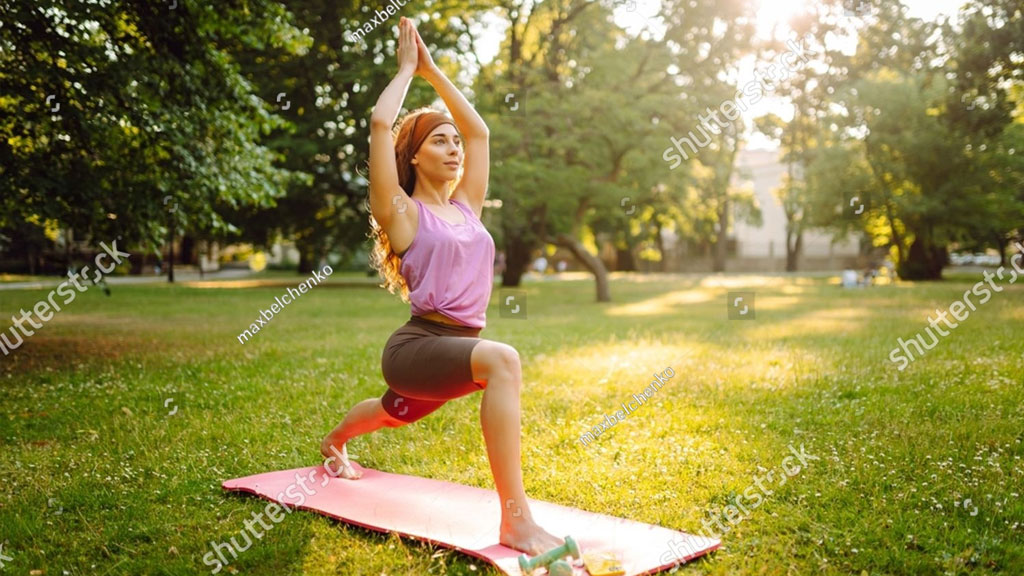
Model-focused shoots are a significant part of stock photography. Photos featuring people are among the most in-demand images on stock platforms. Models in stock photography play essential roles in portraying everyday life, work environments, health, sports, travel, and more. Their natural poses and expressions significantly enhance the appeal of these photos.
Stock photography modeling differs from traditional modeling. It usually emphasizes natural and relatable looks over highly stylized or heavily edited studio photos. The goal is to create versatile images that can be adapted to various scenarios by the buyers. Therefore, models capable of expressing a range of emotions and scenarios are highly valuable in stock photography.
Modeling in Stock Photography
Modeling for Stock Photo Websites: How Does it Work?
Photos featuring models are often sold to a broad audience on stock photography platforms. However, this requires compliance with specific legal standards. Every model must sign a Model Release Agreement before any shoot. This document is a legal agreement that grants the photographer the right to use the model’s images for specified purposes, including commercial use. You can check out a sample model release for Shutterstock via this link.
Without the model’s consent via this agreement, these images cannot be used for commercial purposes. The agreement protects both the model’s rights and the photographer’s responsibilities. It is crucial to share and clarify the terms of this agreement with the model before the shoot, ensuring mutual understanding and consent.

Modeling for Stock Photo
What You Need to Know About the Model Release Agreement
Scope: The agreement outlines how and where the photos can be used, such as in advertising campaigns or educational materials.
Rights and Permissions: By signing the release, the model consents to the licensing and sale of the images for commercial purposes. Specific conditions or restrictions (e.g., avoiding sensitive topics) can be noted in the agreement.
Compensation: Typically, the model is paid a set fee for the shoot. However, they do not receive a share of the long-term income generated from the photo sales unless otherwise agreed.
Privacy: The model’s personal information remains confidential, and the photographer cannot use the images outside the agreed terms.
Stock Photography for Models
Benefits of Stock Photography for Models
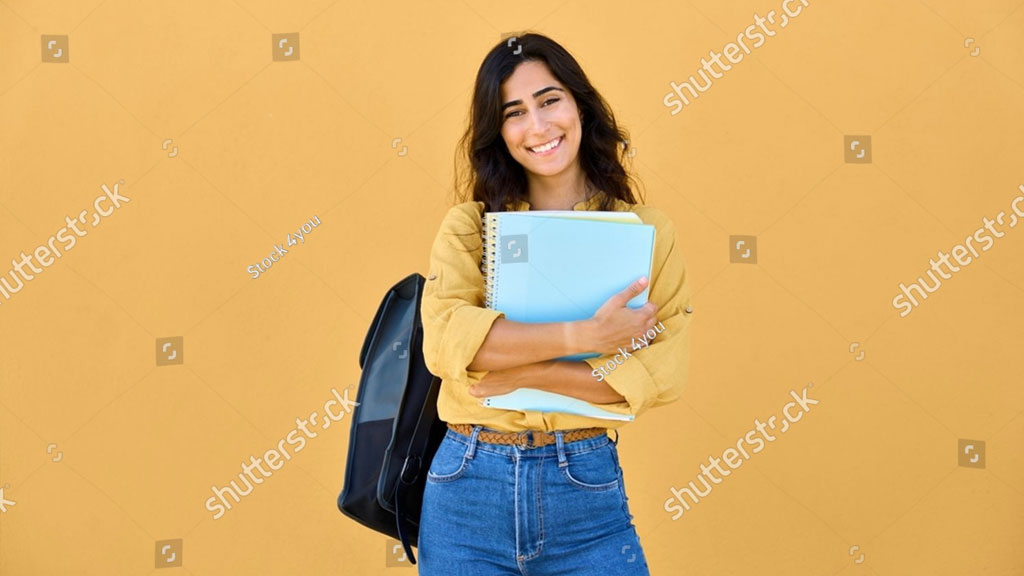
Broad Exposure: Photos can be used by brands, companies, and individuals worldwide, giving the model significant visibility.
Portfolio Building: Models can create a diverse portfolio of natural and creative images through stock photography shoots.
Flexibility: Compared to traditional fashion shoots, stock photography often offers a more relaxed and flexible working environment.
Stock photography offers an exciting and rewarding opportunity for models. Your natural expressions, versatility in different scenarios, and professional approach can enhance the appeal of the images and increase your chances of being featured in future projects. With clear communication and a strong legal foundation, the process ensures a secure and productive collaboration for both the model and the photographer. If you have any questions or concerns, feel free to discuss them with us before the shoot!